Planning Permission Explained: What You Need to Know Before Your Home Project
Planning permission can seem complex. Our straightforward guide explains everything South Wales homeowners need to know.
Planning Permission Explained: What You Need to Know Before Your Home Project
One of the most common questions we hear from South Wales homeowners is: "Will I need planning permission?" The answer isn't always straightforward, but understanding the basics can save you time, money, and potential headaches. Let's demystify planning permission and help you navigate the process with confidence.
What Is Planning Permission?
Planning permission is formal approval from your local council confirming that your proposed building work complies with planning regulations and policies. Not all home improvements require it—many fall under "permitted development rights" which allow certain changes without formal permission.
The planning system exists to ensure developments are appropriate for their location, don't negatively impact neighbours, and align with local planning policies covering everything from design to environmental concerns.
When Do You Need Planning Permission?
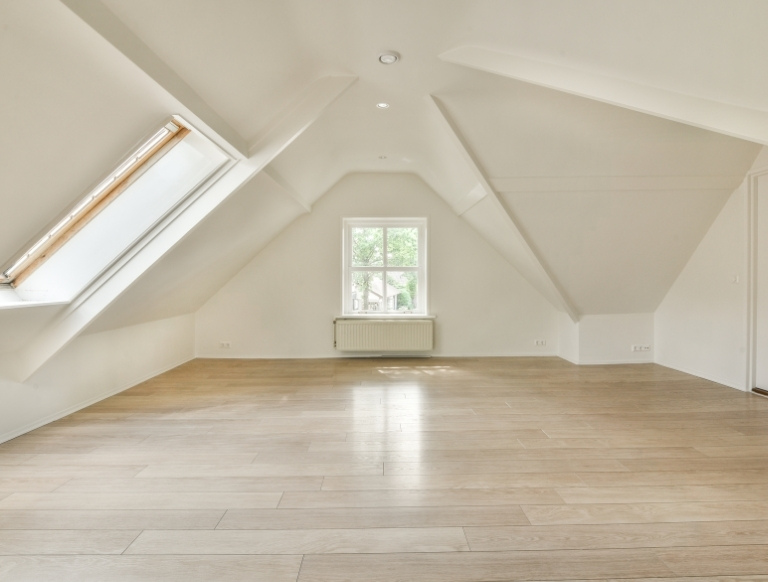
Several factors determine whether you need planning permission in South Wales. Most straightforward loft conversions don't require it under permitted development rights, provided they meet specific criteria regarding height, volume, and window positioning. Similarly, many single-storey rear extensions fall under permitted development if they don't exceed certain size limits.
However, you'll typically need planning permission for front extensions of any size, side extensions exceeding specific dimensions, any extension that would result in over 50% of the garden being covered by buildings, building above the highest part of existing roof, or creating new vehicle access to busy roads.
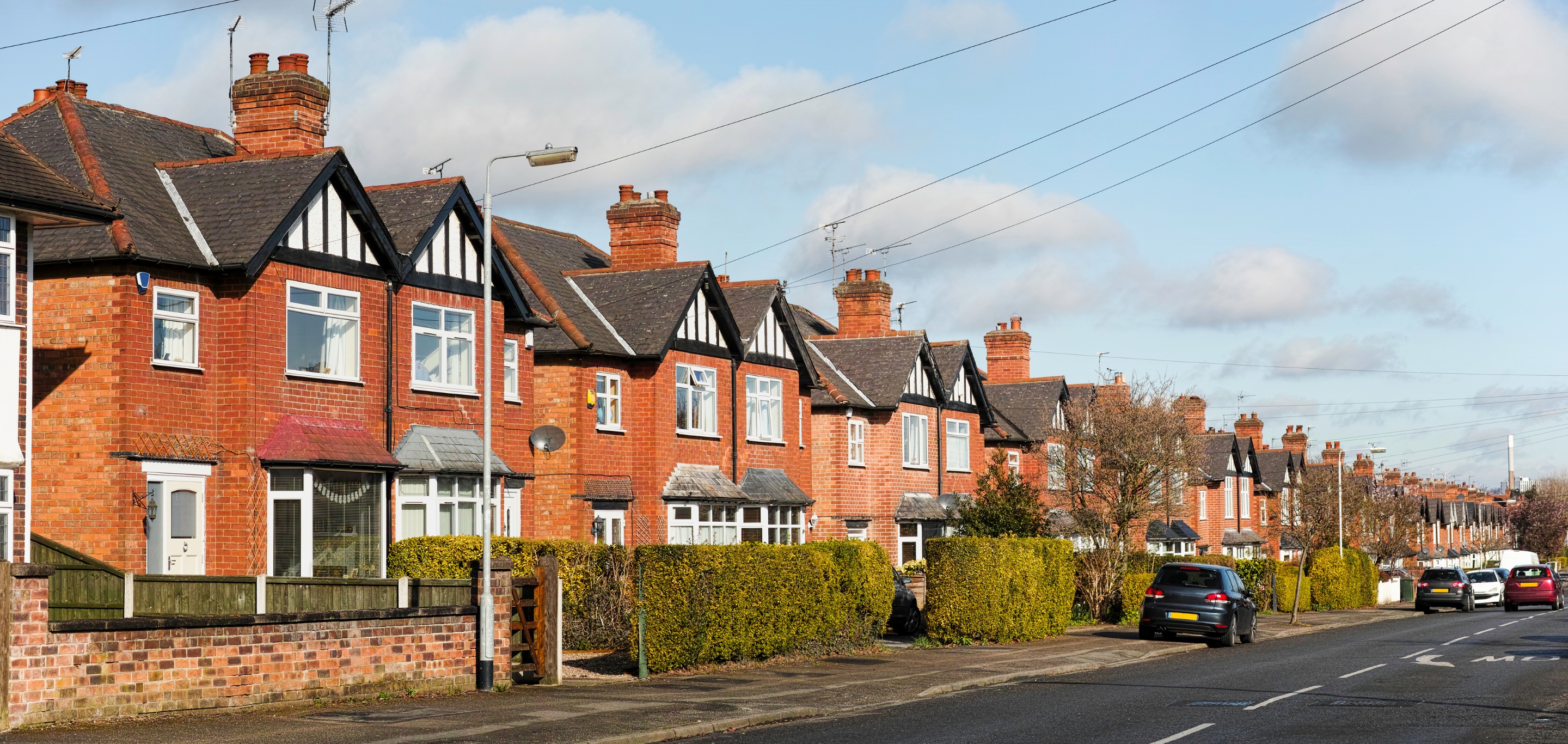
Additional restrictions apply if your property is listed, in a conservation area, or is a flat or maisonette. In these cases, permitted development rights are often more limited.
Building Regulations vs Planning Permission
It's crucial to understand that building regulations approval is separate from planning permission. Even projects that don't require planning permission still need building regulations approval to ensure structural safety, fire safety, energy efficiency, and other technical standards are met.
Think of planning permission as controlling what you can build and where, whilst building regulations control how you build it safely and to appropriate standards.
The Planning Application Process
If you do need planning permission, the process typically takes 8-12 weeks for standard applications in South Wales. You'll need detailed drawings showing existing and proposed layouts, elevations showing how the extension will look, site plans showing the property's position, and design and access statements explaining your proposal.
Your application will be validated by the council, neighbours will be consulted (they have 21 days to comment), and planning officers will assess the application against local policies before issuing a decision.
Permitted Development Rights
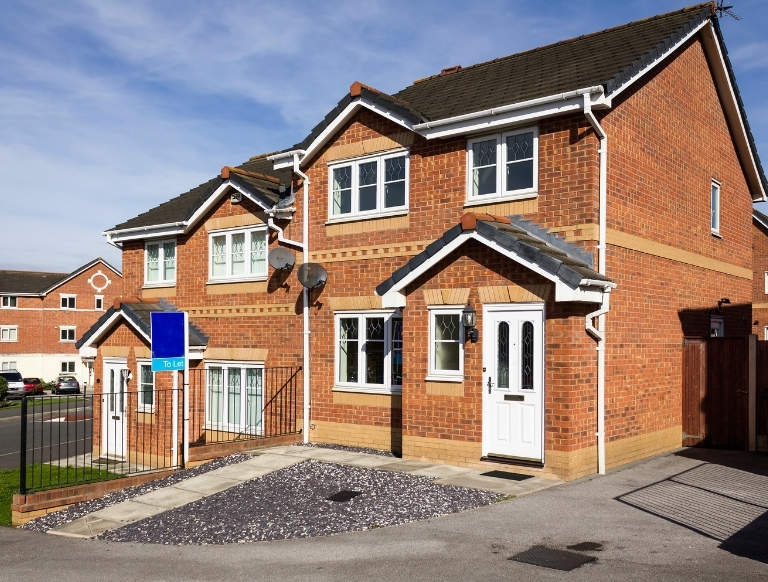
Permitted development rights allow specific types of work without planning permission, subject to conditions and limitations. For rear extensions, single-storey extensions can extend up to 3 metres for attached houses or 4 metres for detached houses under permitted development. Two-storey extensions have more restrictive limits.
Loft conversions are generally permitted provided they don't exceed 40 cubic metres additional space (30 for terraced houses), don't raise the roof height, materials match existing, and side-facing windows are obscure-glazed.
Common Reasons for Refusal
Understanding why applications get refused helps you avoid problems. Common issues include overlooking or loss of privacy for neighbours, overshadowing neighbouring properties, out-of-character design that doesn't fit the area, excessive size relative to the original property, and insufficient parking or access concerns.
Working with experienced professionals who understand local planning policies significantly improves your chances of approval.
Prior Approval and Larger Extensions
The government introduced prior approval schemes allowing larger single-storey rear extensions—up to 6 metres for terraced/semi-detached houses or 8 metres for detached houses. These still require council notification and neighbour consultation, but the process is faster and less detailed than full planning permission.
Getting Professional Help
Whilst you can submit planning applications yourself, using experienced builders or architectural services often proves worthwhile. Professionals understand local planning policies, can design proposals more likely to gain approval, and prepare applications correctly first time.
We're always happy to discuss your project, advise on whether you'll need planning permission, and recommend trusted architects when needed. Don't let planning concerns hold back your home improvement dreams—understanding the system makes it far less daunting than it might initially appear.